
In the fast-paced world of software development, maintaining consistency and efficiency across projects can be a challenging task. The rise of many "vibe coding" developers, those who prioritize creativity and experimentation over structure, has led to a plethora of chaotic projects. However, with the advent of AI and Large Language Models (LLM), we now have powerful tools at our disposal to streamline this process. Here, I will share my insights on how to leverage AI for establishing a coding standard and ensuring smooth project execution through simple prompting techniques.
Using AI/LLM to Analyze and Define Coding Standards
One of the primary challenges in any coding project is establishing a consistent coding standard. This is where AI can play a transformative role. By analyzing your existing codebase, AI can identify patterns and suggest a standardized coding convention tailored to your project. This approach, often referred to as the "Chain of Thought," allows AI to break down complex coding styles into simple, actionable guidelines.
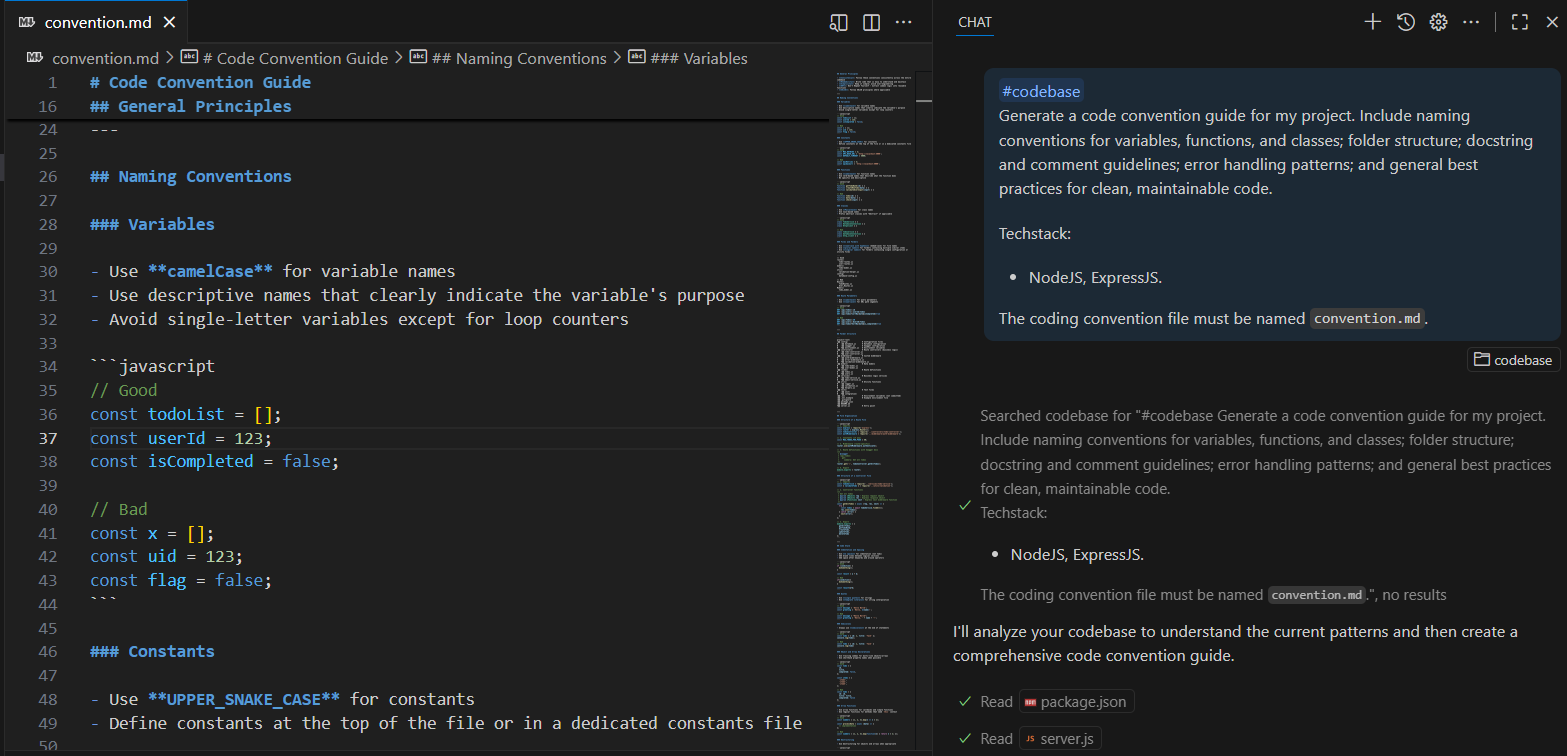
For instance, you can use an AI model to analyze your project's code and provide recommendations on variable naming conventions, file structure, and documentation practices. This not only helps in maintaining uniformity but also makes the code more readable and easier to maintain.

Employing Few-Shot Prompting for Consistency
Once you have established a coding standard, the next step is to ensure that it is consistently applied across the project. Few-shot prompting is an effective technique to achieve this. By providing the AI with a few examples of your desired output, you can train it to generate consistent results that adhere to your established standards.
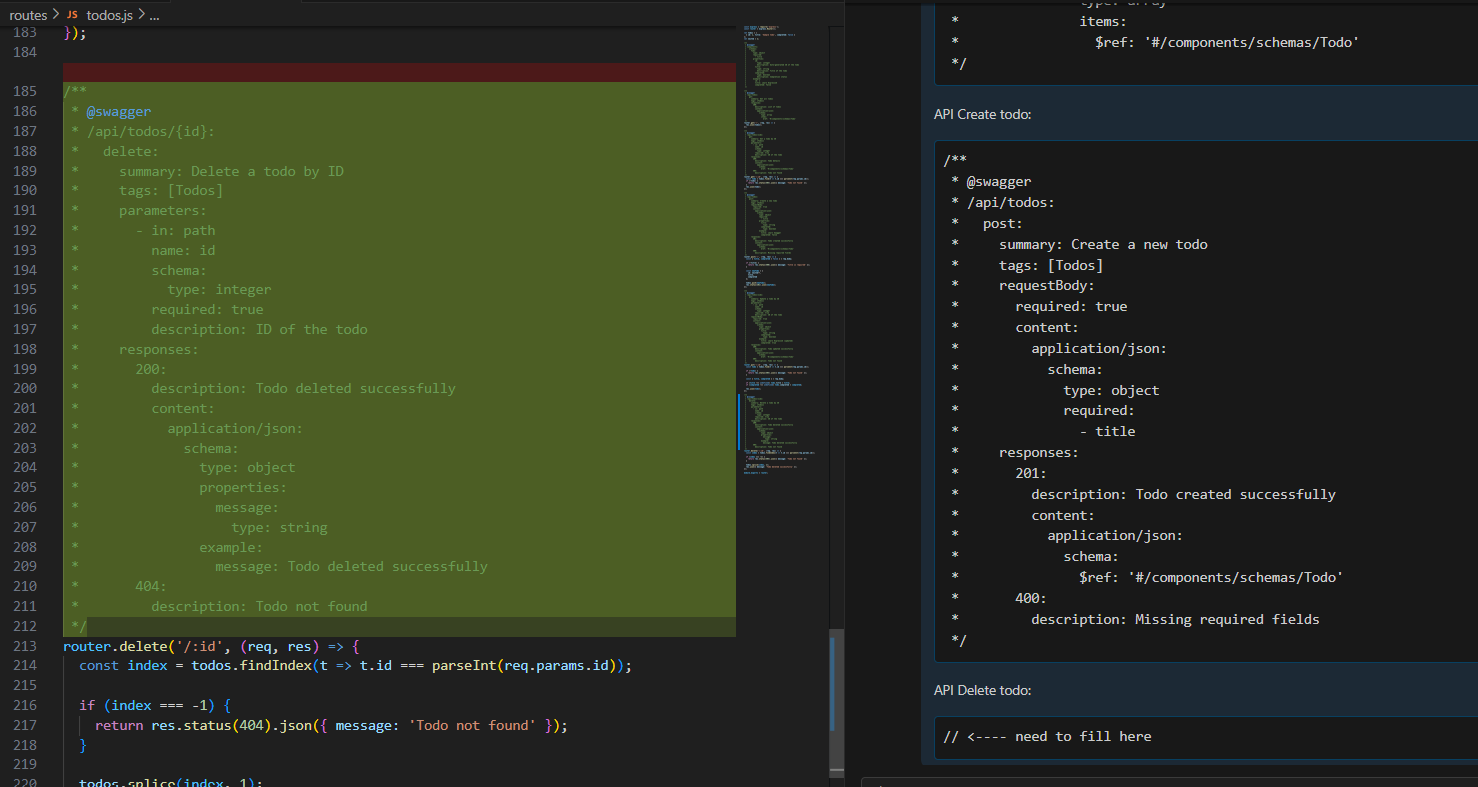
For example, if you want AI to assist in writing API documentation, you can provide it with a few examples of well-documented APIs. The AI will then use these examples as a reference to generate similar documentation for other APIs in your project, thereby ensuring consistency.
Using Meta Prompting for Problem Solving
Meta prompting is another powerful technique that can be employed to make the AI act or think in a specific way. This is particularly useful for solving repetitive problems in a consistent manner. By defining a set of prompts, you can guide the AI to approach problems with a specific mindset or methodology.
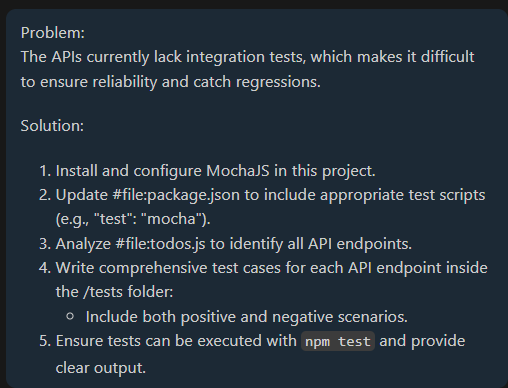
For instance, after creating an API, you can use meta prompting to instruct the AI to automatically generate unit tests for the API. By defining prompts that outline the structure and requirements of a unit test, you can ensure that the AI produces tests that are not only consistent but also aligned with your project's testing standards.

Choosing the Right Model for Specific Tasks
Selecting the appropriate AI model for a specific task is crucial for maximizing efficiency and effectiveness. Different AI models have varying strengths and capabilities, and choosing the right one can significantly impact the outcome of your project.
For simple tasks like writing a document or test-case, using a lightweight model such as GPT 4.1 or Grok Code Fast 1 can be highly effective. These models are cost-efficient and handle such tasks without over-engineering the solution, saving both time and token volume.
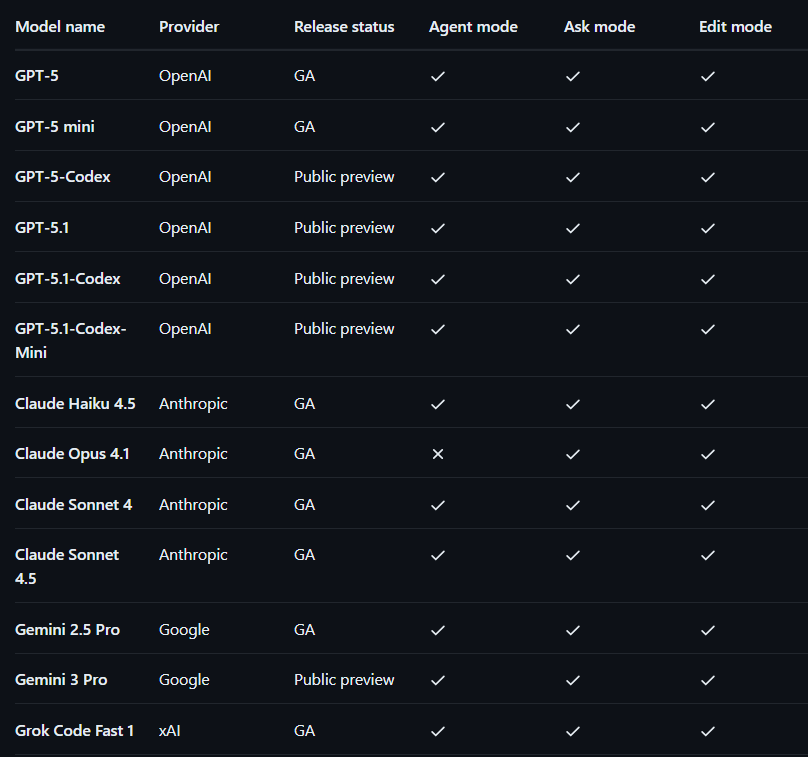
Conversely, for more complex tasks such as analysis and refactoring, or those involving a large number of modules, leveraging a more advanced model like Claude Sonnet 4 or 4.5 is beneficial. These models provide a broad contextual understanding and have the capability to track key task points throughout the conversation, ensuring a comprehensive approach to complex challenges.
Conclusion
Incorporating AI and LLM into your project management workflow can significantly enhance productivity and consistency. By using techniques like Chain of Thought, few-shot prompting, meta prompting, and selecting the right model for specific tasks, you can establish a robust coding standard and ensure that your project runs smoothly. As AI continues to evolve, the possibilities for its application in software development are limitless, making it an invaluable asset for any project manager or developer.